AI-Driven Intelligence for Energy Policy and Infrastructure.
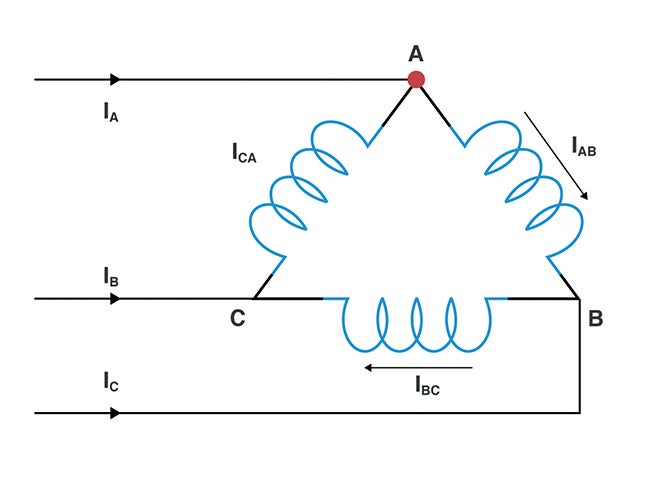
Selecting the Right Three-Phase Transformer Configuration: A Decision Guide for Power Distribution Systems
The article emphasizes the importance of selecting appropriate three-phase transformer configurations to enhance power distribution efficiency and reliability, which aligns with regulatory standards for grid performance. Compliance with evolving energy efficiency mandates may necessitate upgrades or replacements of existing transformers, impacting capital expenditures for energy companies. Additionally, optimizing transformer configurations can improve grid resilience and support energy security by reducing outages and enhancing load management capabilities.

Transformers in 2026: Shortage, Scramble, or Self-Inflicted Crisis?
The anticipated shortage of transformers by 2026 poses significant challenges for grid reliability and energy security, potentially leading to increased costs and delays in infrastructure projects. Regulatory bodies may need to expedite compliance processes for transformer manufacturing and installation to mitigate these risks. Market implications include heightened competition among manufacturers and potential supply chain disruptions that could affect energy delivery.
![POWER Digest [January 2026]](https://www.powermag.com/wp-content/uploads/2021/02/power_wordart_sp.jpg)
POWER Digest [January 2026]
The January 2026 POWER Digest highlights new federal regulations aimed at reducing greenhouse gas emissions from power plants, requiring operators to implement advanced carbon capture technologies by 2028. Compliance with these regulations will necessitate significant capital investments and may reshape market dynamics as companies adapt to stricter emissions standards. The policy shift is expected to enhance energy security by promoting cleaner energy sources while ensuring grid reliability through improved technology integration.
![THE BIG PICTURE: Power Affordability [Infographic]](https://www.powermag.com/wp-content/uploads/2026/01/bp-jan2026-poweraffordability-3.png)
THE BIG PICTURE: Power Affordability [Infographic]
Recent analysis highlights the increasing challenges of power affordability, emphasizing the need for policy adjustments to address rising energy costs. Regulatory frameworks may require utilities to enhance transparency in pricing and implement measures to protect vulnerable consumers. These developments could impact market dynamics and necessitate compliance with new affordability standards, influencing investment strategies in the energy sector.

The Age of Electricity and 5 Other Forces Reshaping the Global Energy Outlook
The global energy landscape is increasingly influenced by the transition to electrification, necessitating robust policy frameworks to support renewable energy integration and grid modernization. Regulatory bodies are expected to enhance compliance requirements related to emissions reductions and renewable energy standards, impacting market dynamics and investment strategies. This shift underscores the importance of energy security and grid reliability as countries adapt to evolving energy demands and technological advancements.

Meeting the Moment: Industry Leaders Chart the Course for Power in 2026
Industry leaders are advocating for a strategic roadmap to enhance power generation and grid reliability by 2026, emphasizing the need for regulatory frameworks that support clean energy transitions. Key proposals include increased investment in renewable technologies and infrastructure upgrades, which may necessitate compliance with new federal and state regulations aimed at reducing emissions. The push for a cohesive policy approach is expected to impact market dynamics, driving competition and innovation in the energy sector.

Reshaping the Power Grid: Driving Resilience Through DERs
New policies promoting distributed energy resources (DERs) are reshaping the power grid to enhance resilience and reliability. Regulatory frameworks are increasingly incentivizing the integration of DERs, which may require compliance with updated interconnection standards and performance metrics. This shift could lead to significant market transformations, fostering decentralized energy generation and potentially reducing reliance on traditional grid infrastructure.

Bridging the Gap: How the Power Industry Is Tackling Its Workforce Crisis
The power industry is facing a significant workforce crisis, prompting calls for policy initiatives to enhance training programs and attract new talent. Regulatory bodies may need to establish compliance requirements that ensure utilities invest in workforce development as part of their operational strategies. This workforce shortage could impact grid reliability and energy security if not addressed promptly, potentially leading to increased operational costs and service disruptions.

Germany Cuts New Gas-Fired Generation as Country Works on Energy Strategy
Germany's decision to limit new gas-fired generation is part of its broader energy strategy aimed at reducing reliance on fossil fuels and enhancing renewable energy integration. This policy shift may impact market dynamics by increasing demand for alternative energy sources and necessitating compliance with stricter emissions regulations. The move also underscores the importance of energy security and grid reliability as the country transitions to a more sustainable energy framework.

Marnie Surfaceblow: Marnie and Maya—She Spies
The article highlights the increasing role of surveillance technologies in energy infrastructure, emphasizing the need for enhanced cybersecurity measures to protect against potential threats. Regulatory bodies may implement stricter compliance requirements for energy companies to adopt advanced monitoring systems, which could impact operational costs and market competitiveness. This shift underscores the importance of safeguarding energy security and maintaining grid reliability in an evolving threat landscape.

Voltalia constructing hybrid renewables-plus-storage ‘cluster’ in Uzbekistan
Voltalia is developing a hybrid renewable energy project in Uzbekistan that combines solar, wind, and energy storage, aimed at enhancing the country's energy security and diversifying its energy mix. This initiative aligns with Uzbekistan's commitment to increasing renewable energy capacity, which may influence future regulatory frameworks and compliance requirements for energy projects in the region. The project is expected to bolster grid reliability and support the transition to a more sustainable energy system.

India introduces 20% domestic content rule for Viability Gap Funding of battery storage
India has implemented a 20% domestic content requirement for projects seeking Viability Gap Funding (VGF) for battery storage systems, aimed at boosting local manufacturing and reducing reliance on imports. This policy mandates compliance from developers to ensure a minimum level of domestic sourcing, potentially impacting project costs and timelines. The move is expected to enhance energy security by fostering local supply chains and supporting the growth of the domestic energy storage market.

Connecting the next decade of utility innovation with Dr. Sasan Mokhtari
Dr. Sasan Mokhtari emphasizes the need for regulatory frameworks that support innovation in utility operations, particularly in integrating renewable energy sources and enhancing grid resilience. The discussion highlights the importance of aligning utility business models with emerging technologies to ensure compliance with evolving federal and state policies. As utilities adapt to these changes, there are significant implications for market competitiveness and energy security in the transition to a more decentralized energy system.
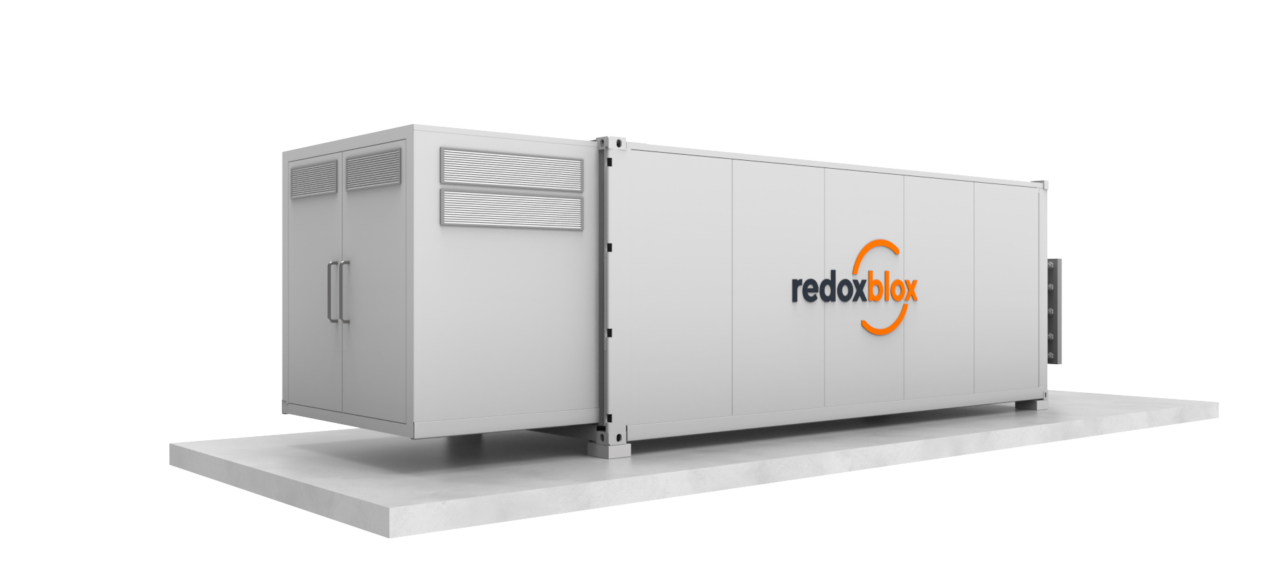
For thermal batteries, continuous delivery matters more than peak temperature
The emphasis on continuous delivery over peak temperature for thermal batteries may influence regulatory standards and performance metrics in energy storage policies. As market demand shifts towards reliable, sustained energy output, companies may need to adapt their compliance strategies to align with evolving performance criteria. This shift could enhance grid reliability and energy security by promoting more consistent energy supply solutions.
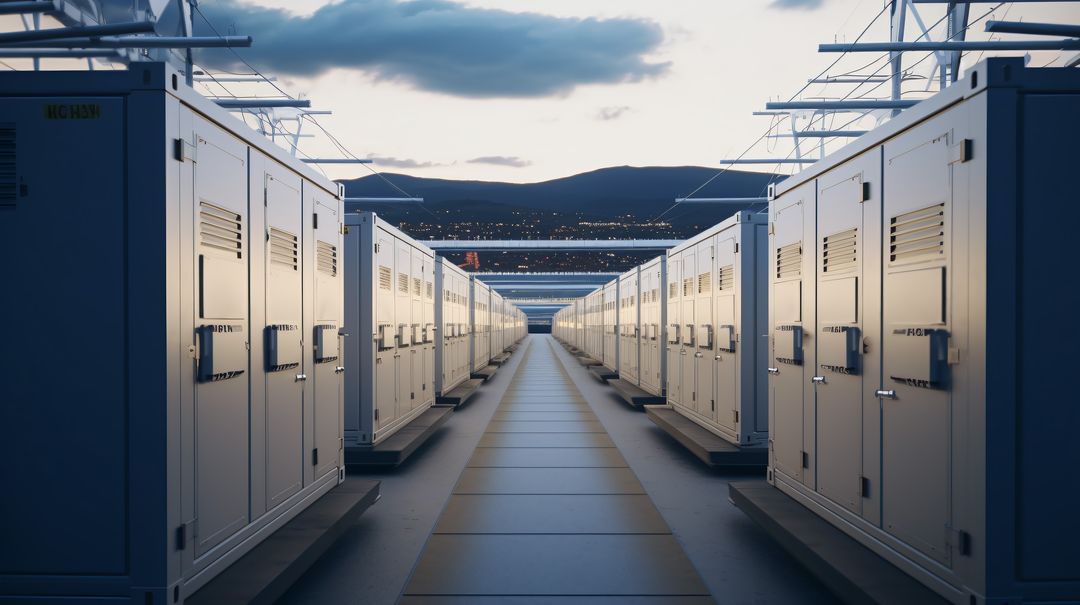
Massachusetts selects 1.2GW of BESS through RFP
Massachusetts has selected 1.2 GW of battery energy storage systems (BESS) through a recent Request for Proposals (RFP), reflecting the state's commitment to enhancing grid reliability and integrating renewable energy sources. This initiative is part of Massachusetts' broader energy policy aimed at achieving its clean energy goals, which may influence compliance requirements for energy providers in the region. The deployment of this capacity is expected to bolster energy security and support the transition to a more resilient grid infrastructure.

Year in Review: Jinko on leveraging a global solar brand to compete in ‘transformational’ 2025
Jinko Solar is positioning itself to leverage its global brand in the solar market as it anticipates significant transformations by 2025, driven by evolving energy policies and increased demand for renewable energy solutions. The company is likely to face compliance requirements related to new federal and state regulations aimed at boosting solar adoption and grid integration. This strategic focus may enhance market competitiveness and contribute to energy security by expanding renewable capacity.
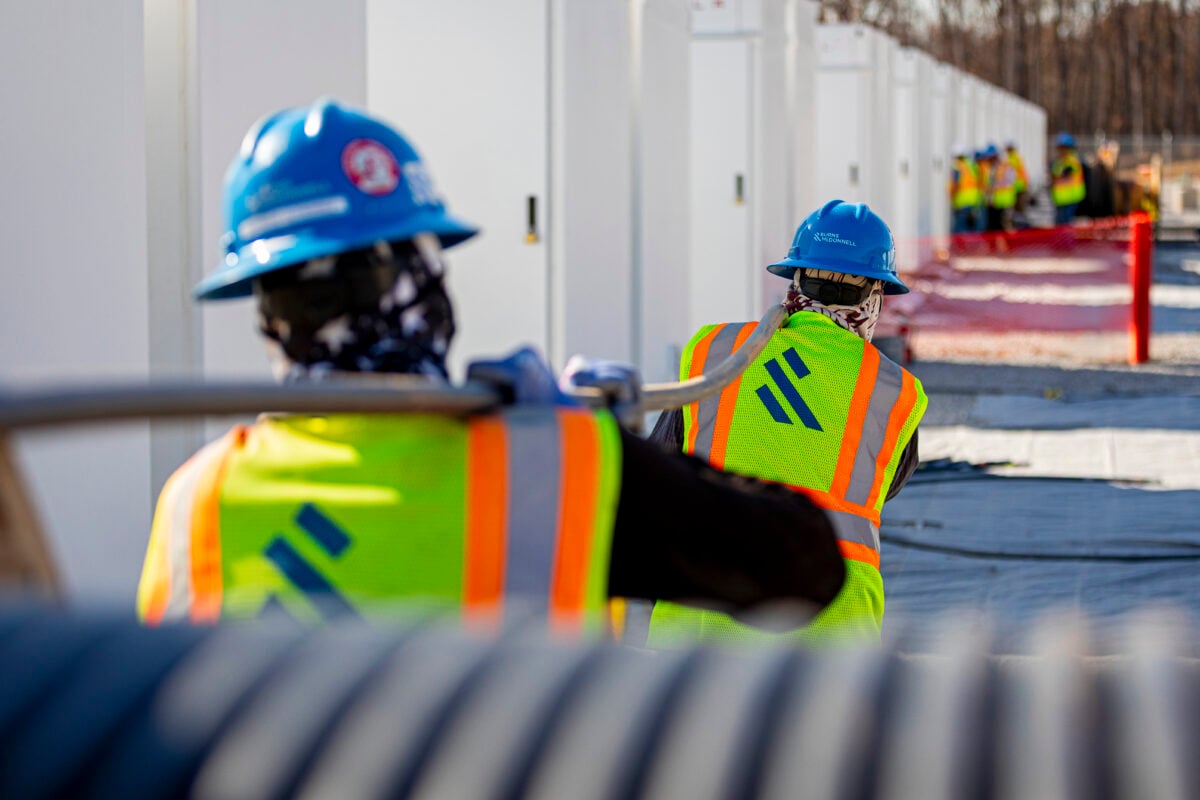
Year in Review: EPC Burns & McDonnell on data centre demand, FEOC and energy density
In 2023, increased demand for data centers has driven significant interest in energy storage solutions, prompting EPC firms like Burns & McDonnell to emphasize energy density and flexible energy options. The evolving landscape may necessitate compliance with new regulations aimed at enhancing energy efficiency and sustainability in data center operations. This shift highlights the importance of integrating energy storage technologies to bolster grid reliability and support energy security amidst rising electricity consumption.
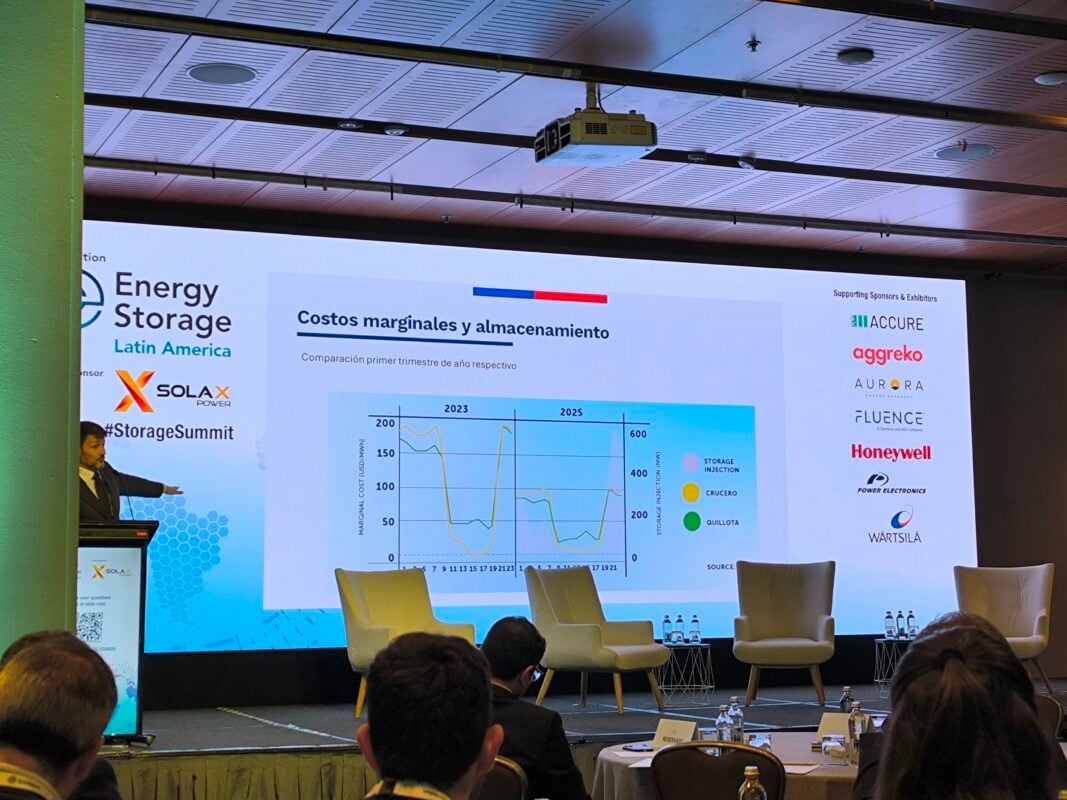
Metlen completes sale of 1.6GWh Chile solar-plus-storage portfolio to Glenfarne Group
Metlen's sale of a 1.6GWh solar-plus-storage portfolio in Chile to Glenfarne Group underscores the growing interest in renewable energy investments amid supportive regulatory frameworks in Latin America. This transaction may signal increased market competition and investment opportunities in energy storage, aligning with global trends towards decarbonization and energy security. Compliance with local regulations and grid integration standards will be crucial for the successful deployment of these assets.
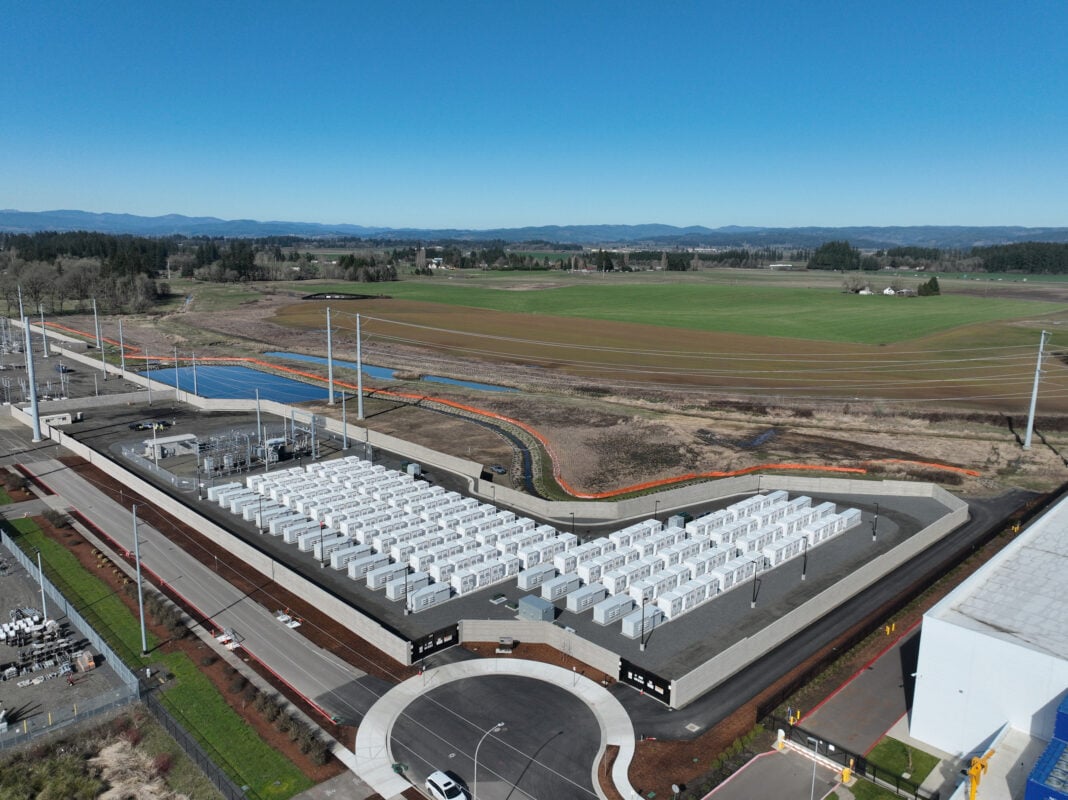
PGE receives regulatory approval to increase price of 1GW BESS portfolio, ‘significant changes’ to tariffs and ITC to blame
Pacific Gas and Electric (PGE) has received regulatory approval to increase prices for its 1GW battery energy storage system (BESS) portfolio, driven by significant changes in tariffs and the Investment Tax Credit (ITC). This adjustment may set a precedent for other utilities facing similar tariff and incentive shifts, potentially impacting market dynamics and compliance strategies for energy storage projects. Stakeholders should prepare for evolving regulatory landscapes that could affect project financing and operational costs.
A year of insights: Energy-Storage.news webinars in 2025
The upcoming Energy-Storage.news webinars in 2025 will address critical insights into energy storage policy developments, emphasizing regulatory frameworks that could shape market dynamics. Participants will gain an understanding of compliance requirements related to new storage technologies and integration strategies that enhance grid reliability. These discussions are expected to inform stakeholders on navigating evolving energy policies that impact investment and operational strategies in the storage sector.

Affordability becomes a priority across the utility industry in 2025
Starting in 2025, U.S. utilities will be required to prioritize affordability in their pricing structures, influenced by new regulatory frameworks aimed at enhancing consumer protection and reducing energy costs. This shift may necessitate compliance adjustments for utilities, potentially impacting their revenue models and investment strategies. The emphasis on affordability is expected to influence market dynamics, encouraging innovation in cost-effective renewable energy solutions.
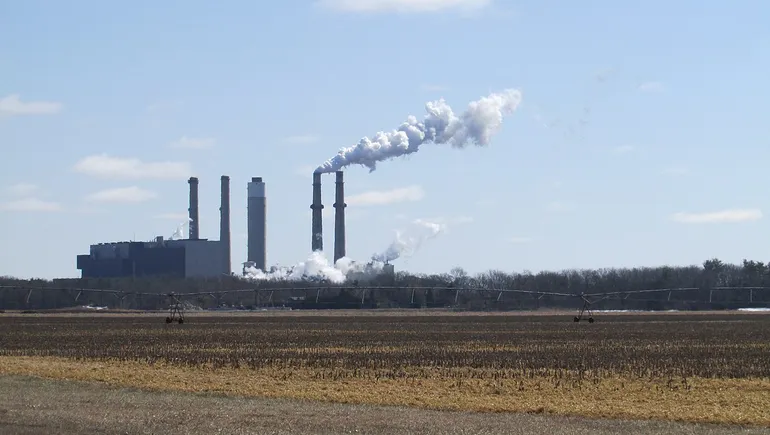
DOE orders Indiana coal units totaling more than 950 MW to run past retirement dates
The Department of Energy has mandated that over 950 MW of coal-fired units in Indiana continue operations beyond their planned retirement dates to ensure grid reliability amid ongoing capacity concerns. This directive may necessitate compliance adjustments for operators regarding emissions standards and operational protocols. The decision underscores the administration's focus on energy security, particularly during peak demand periods.
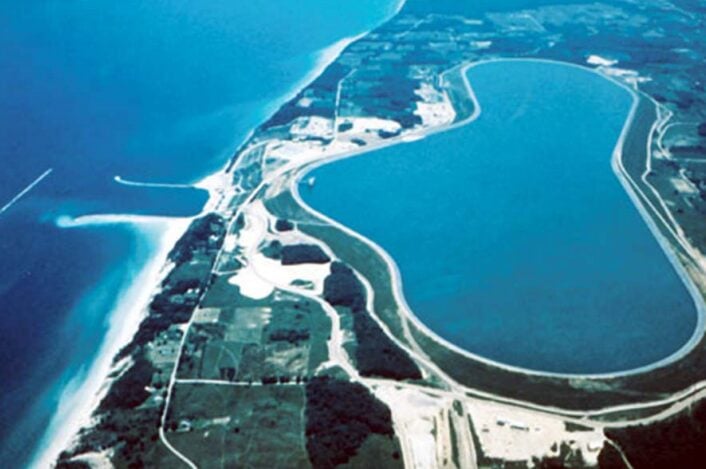
Michigan utilities awarded financial damages for work performed on pumped hydro plant
Michigan utilities have been awarded financial damages for investments made in a pumped hydro storage project, highlighting the importance of regulatory frameworks that support energy storage development. This ruling may set a precedent for future utility investments in renewable energy infrastructure, potentially influencing compliance requirements related to energy storage capacity and grid reliability. The decision underscores the need for clear policies that facilitate the integration of storage solutions into the energy market.
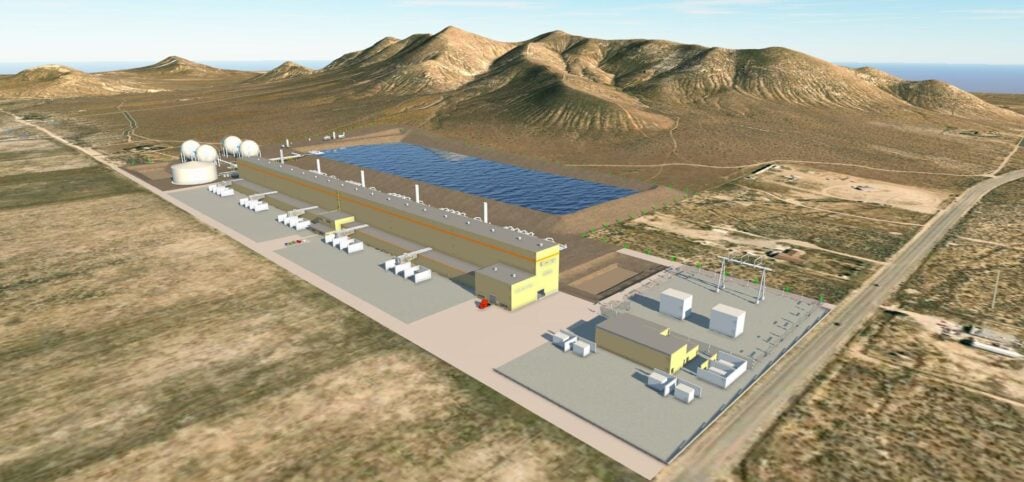
US ROUNDUP: Hydrostor A-CAES project, Hawaiian Electric on Maui, Peregrine picks Wärtsilä for 500MWh Texas BESS
The Hydrostor A-CAES project is advancing in California, potentially enhancing energy storage capabilities and supporting state decarbonization goals. Hawaiian Electric is implementing measures to improve grid resilience on Maui, aligning with regulatory expectations for renewable integration and reliability. Peregrine's selection of Wärtsilä for a 500MWh battery energy storage system in Texas underscores the growing demand for large-scale storage solutions, reflecting market shifts towards enhanced energy security and compliance with state energy policies.

Energy-Storage.news most-read news stories of the year 2025
The most-read stories of 2025 highlight significant advancements in energy storage policy, particularly the implementation of new federal incentives aimed at accelerating deployment and integration of storage technologies. Compliance with updated regulations will be essential for energy companies to qualify for these incentives, which are expected to enhance grid reliability and support renewable energy integration. The evolving market landscape underscores the growing importance of energy storage as a critical component of U.S. energy security.

Revenue trends, supply chains and emerging markets: Energy-Storage.news 2025 Guest Blog picks, Part 2
Emerging markets in energy storage are expected to drive significant revenue growth, influenced by evolving regulatory frameworks and government incentives aimed at enhancing grid reliability and energy security. Supply chain challenges remain a critical concern, necessitating compliance with new standards to ensure sustainable sourcing and operational efficiency. Stakeholders must adapt to these trends to capitalize on market opportunities and meet upcoming regulatory requirements.
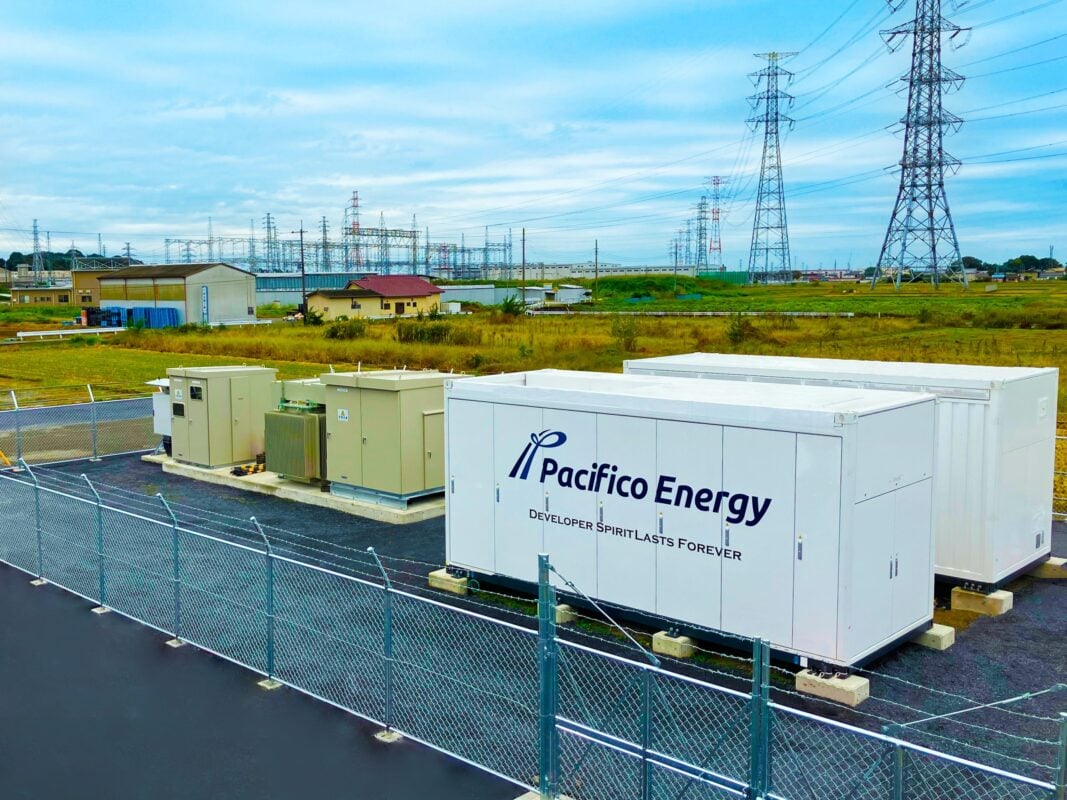
Pacifico Energy aims to prove subsidy-free BESS in Japan ‘demonstrates competitive returns’
Pacifico Energy is advancing its efforts to establish a subsidy-free battery energy storage system (BESS) in Japan, aiming to demonstrate that such projects can yield competitive financial returns. This initiative may influence Japanese energy policy by showcasing the viability of market-driven solutions for energy storage, potentially prompting regulatory adjustments to support similar developments. Successful implementation could enhance energy security and grid reliability in Japan, aligning with the country's decarbonization goals.
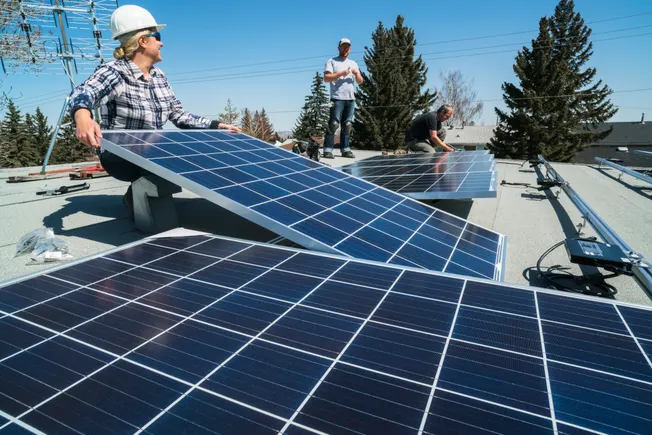
Prepaid leases, data center dollars key for DERs in 2026: Enphase executive
The shift towards prepaid leases and increased investment in data centers is expected to significantly enhance the deployment of distributed energy resources (DERs) by 2026. This trend may necessitate updated regulatory frameworks to accommodate new financing models and ensure compliance with evolving market standards. Enhanced DER integration could also bolster grid reliability and energy security as more resources are localized.
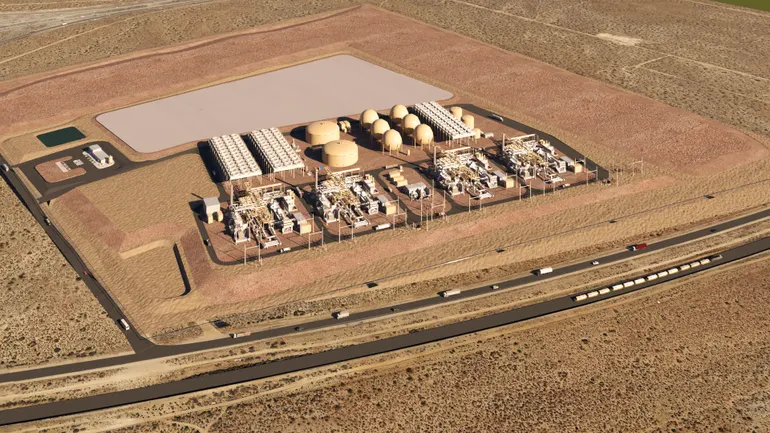
Hydrostor secures key permit for 500 MW, 8-hour California energy storage facility
Hydrostor has obtained a critical permit for its 500 MW, 8-hour energy storage facility in California, which aligns with the state's aggressive renewable energy goals and enhances grid reliability. This development may influence market dynamics by increasing competition in the energy storage sector and supporting compliance with California's energy storage mandates. The facility is expected to play a significant role in addressing peak demand and integrating more renewable resources into the grid.
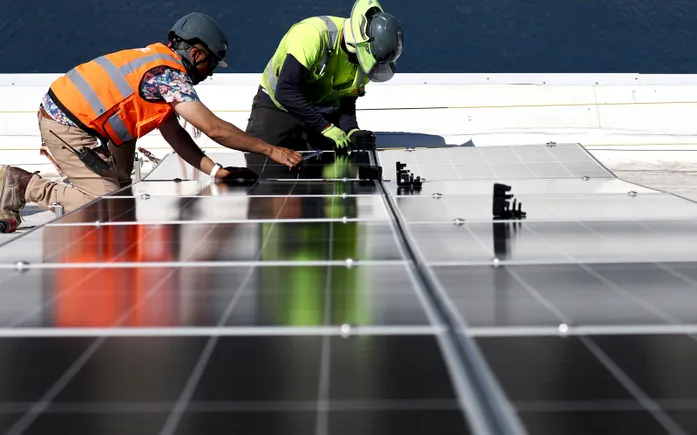
Using scenario modeling to address uncertainty in the clean energy transition
Scenario modeling is increasingly being utilized to navigate uncertainties in the clean energy transition, informing policymakers on potential outcomes of various regulatory frameworks. This approach may influence compliance requirements for emissions reductions and renewable energy integration, ultimately shaping market strategies for energy companies. Enhanced modeling capabilities could also bolster grid reliability by providing insights into future energy demand and supply dynamics.

Home efficiency upgrades could offset data center loads while creating jobs: report
A recent report highlights that implementing home efficiency upgrades could significantly offset energy loads from data centers, potentially easing grid demand during peak periods. This shift may prompt policymakers to consider incentives for residential energy efficiency programs, impacting compliance requirements for energy efficiency standards. Additionally, the initiative could stimulate job creation in the energy sector, aligning with broader goals for economic recovery and energy resilience.
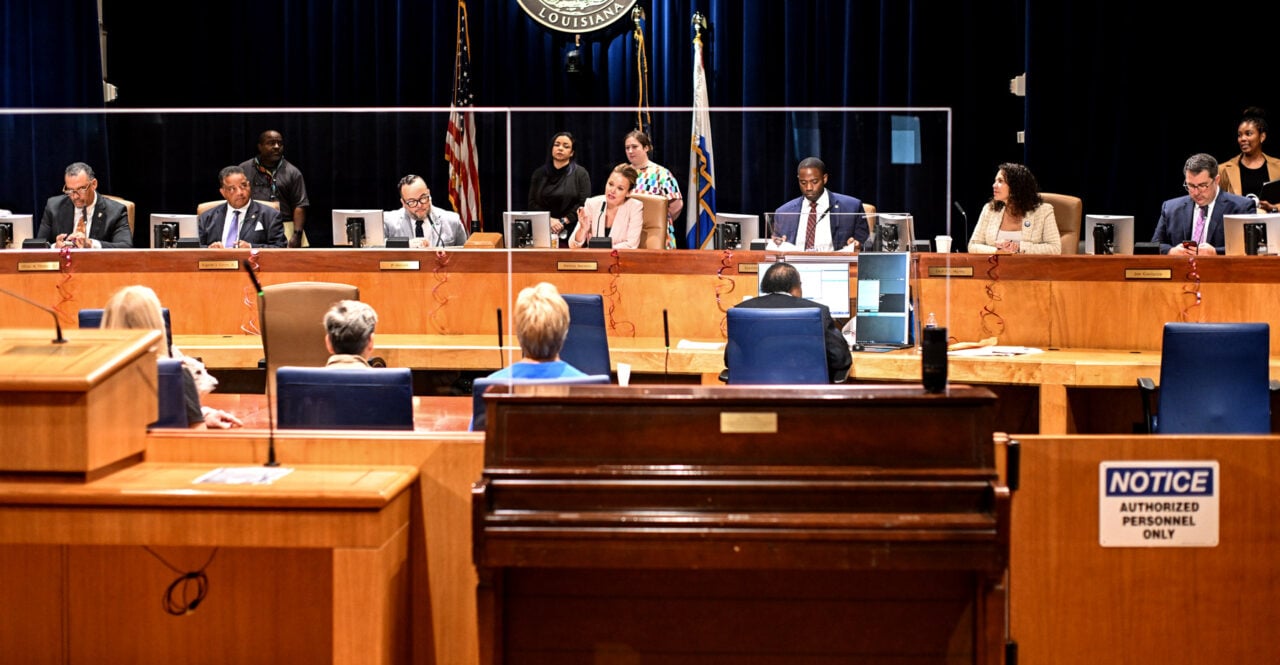
New Orleans approves US$30 million virtual power plant programme to support grid resilience
New Orleans has approved a $30 million virtual power plant program aimed at enhancing grid resilience through demand response and energy storage solutions. This initiative may set a precedent for similar programs nationwide, potentially influencing regulatory frameworks and compliance requirements for energy providers. The program is expected to improve energy security by optimizing local resources and reducing reliance on traditional power generation during peak demand periods.
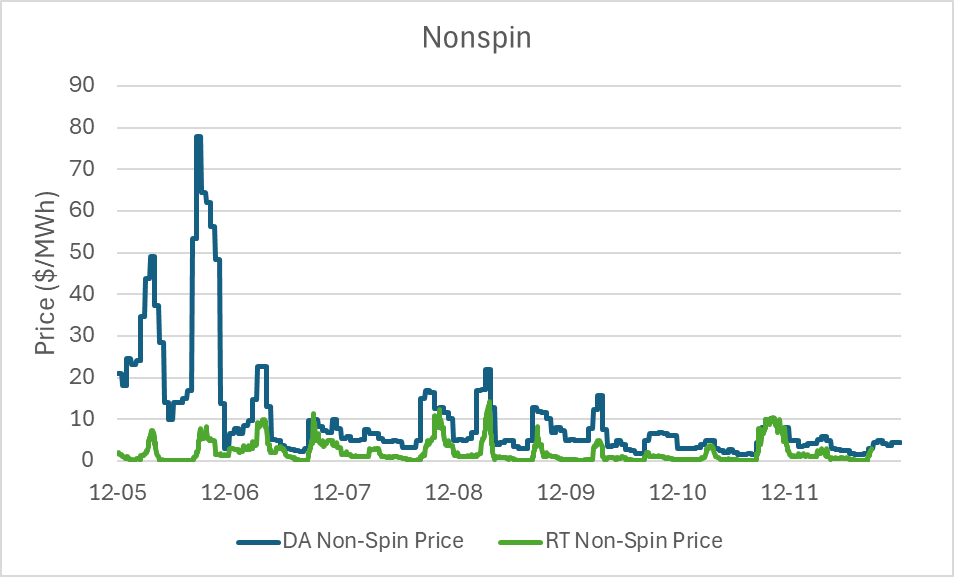
How to navigate volatility in ERCOT: Ascend Analytics
ERCOT's increasing market volatility necessitates enhanced risk management strategies for energy storage operators, particularly in light of recent regulatory changes aimed at improving grid reliability. Compliance with evolving market rules will be critical for participants to effectively navigate price fluctuations and ensure operational resilience. The implications for energy security are significant, as a stable storage framework can bolster grid reliability during peak demand periods.
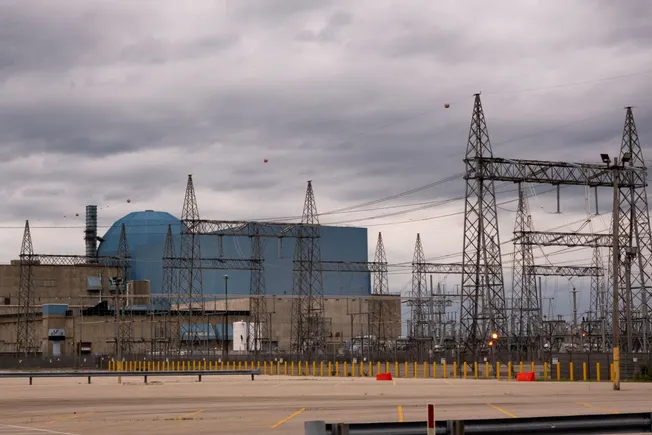
Energy industry dealmaking soared in 2025 on large utility, IPP mergers
In 2025, significant mergers among large utilities and independent power producers (IPPs) have reshaped the energy market, indicating a trend towards consolidation that may enhance operational efficiencies but could also raise regulatory scrutiny. These transactions may necessitate compliance with stricter antitrust regulations and environmental assessments, impacting timelines for project approvals. The consolidation is expected to influence energy security and grid reliability by potentially streamlining resource management and investment in infrastructure.
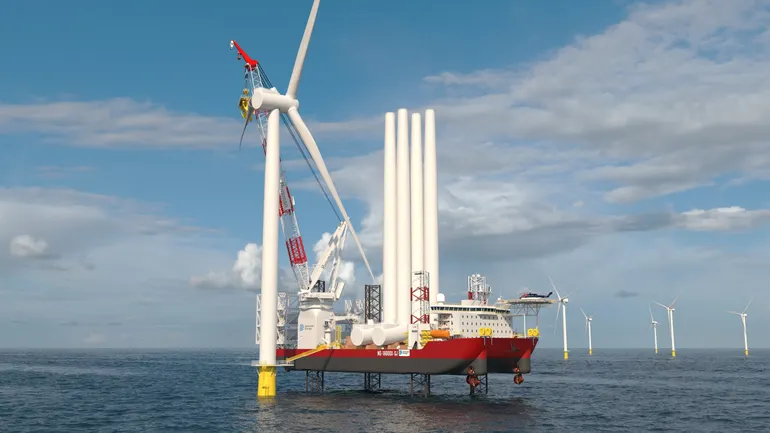
Senate Democrats end permitting reform talks over offshore wind freeze
Senate Democrats have halted negotiations on permitting reform due to a freeze on offshore wind projects, which could delay the deployment of renewable energy infrastructure and impact compliance with federal clean energy targets. This decision may exacerbate supply chain challenges and hinder market growth in the offshore wind sector, affecting energy security and grid reliability. Stakeholders should prepare for potential regulatory shifts and increased scrutiny on existing projects as the legislative landscape evolves.
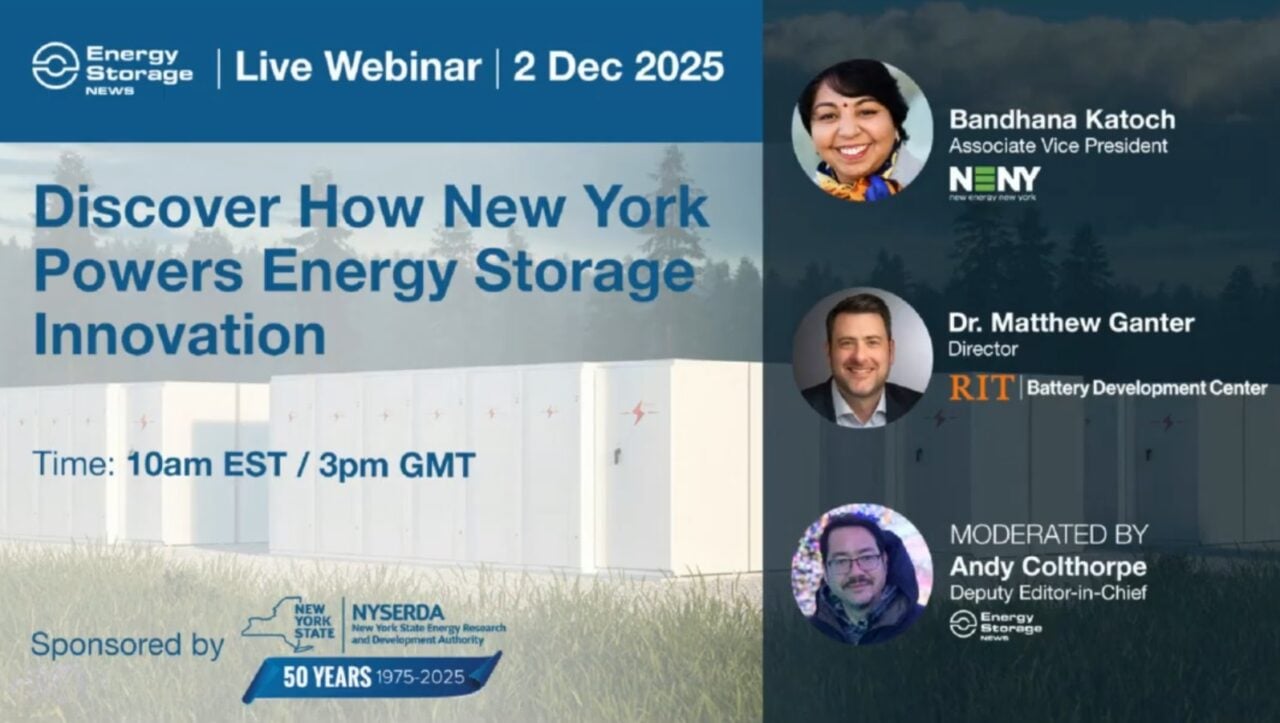
VIDEO: Discover how New York powers energy storage innovation
New York's energy storage policy is fostering innovation through incentives and regulatory frameworks aimed at achieving a target of 3,000 MW of energy storage by 2030. This initiative includes compliance requirements for utilities to integrate energy storage solutions into their operations, enhancing grid reliability and resilience. The state's approach is expected to stimulate market growth and attract investment in energy storage technologies.

A new era of utility wildfire defense is defined by a shift from reactive maintenance to proactive risk mitigation
Utilities are transitioning from reactive maintenance strategies to proactive risk mitigation measures for wildfire defense, driven by new regulatory requirements aimed at enhancing grid reliability and public safety. This shift necessitates compliance with updated state regulations that mandate comprehensive risk assessments and the implementation of advanced vegetation management practices. The emphasis on proactive measures is expected to influence utility operational costs and investment strategies in wildfire-prone regions, potentially impacting energy pricing and availability.

Operational risk, optimisation, data, tolls and more: Battery Asset Management Summit Europe key takeaways
The Battery Asset Management Summit highlighted the increasing importance of operational risk management and data optimization in the context of evolving regulatory frameworks for energy storage. Participants emphasized the need for compliance with new EU regulations aimed at enhancing grid reliability and energy security, which may require significant investment in advanced management systems. Market implications include potential shifts in asset valuation and operational strategies as companies adapt to these regulatory changes.
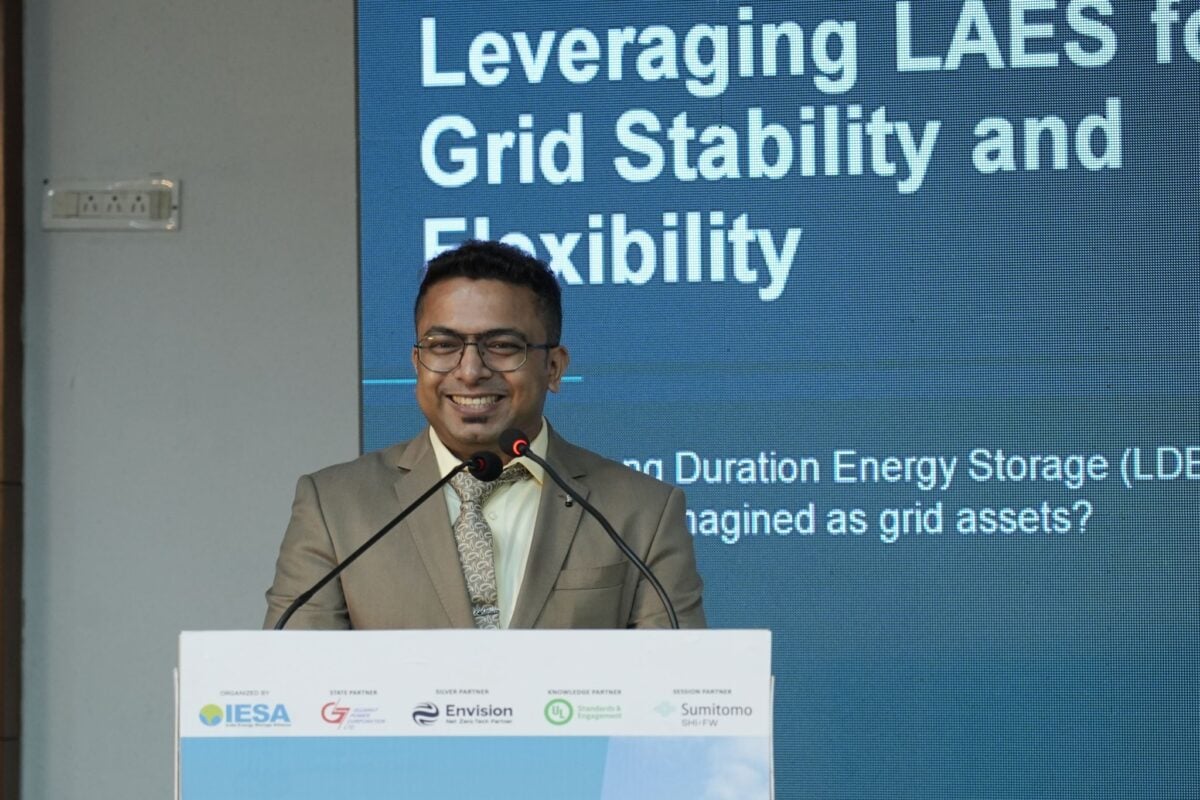
Policy storms ahead, fire safety and data centres: Energy-Storage.news 2025 Guest Blog picks, Part 1
Upcoming policy developments are expected to address fire safety regulations for energy storage systems, particularly in data centers, which may impose new compliance requirements for operators. These regulations aim to enhance safety standards and could influence market dynamics by increasing operational costs for energy storage providers. The evolving regulatory landscape underscores the importance of proactive measures to ensure grid reliability and security in the face of growing energy storage deployment.

Trump administration suspends 5 wind projects off the East Coast
The Trump administration has suspended five offshore wind projects along the East Coast, citing concerns over environmental impacts and regulatory compliance. This decision may hinder the growth of renewable energy investments in the region and could delay compliance with state-level renewable energy targets. The suspension raises questions about the long-term viability of offshore wind initiatives and their implications for energy security and grid reliability in the Northeast.

Managing energy trading risk while delivering water in the desert with SNWA’s Mike Slattery
The Southern Nevada Water Authority (SNWA) is implementing innovative energy trading strategies to manage risks associated with water delivery in arid regions, emphasizing the need for integrated resource planning. This approach may influence regulatory frameworks as utilities adapt to fluctuating energy prices and water demands, potentially impacting compliance requirements for resource management. The initiative highlights the importance of energy security and grid reliability in supporting essential services in water-scarce areas.

Understanding the benefits of Salt River Project’s shift from webTrans to webTrans AFC with Derek Sicher
Salt River Project's transition from webTrans to webTrans AFC aims to enhance operational efficiency and improve grid reliability through advanced forecasting capabilities. This shift may necessitate compliance with updated regulatory standards related to grid management and data sharing, potentially influencing market dynamics by optimizing resource allocation. Stakeholders should prepare for adjustments in operational protocols to align with the new system's requirements.

How TVA is utilizing DERMS to handle unprecedented load growth, with Joseph R. Johnson
The Tennessee Valley Authority (TVA) is implementing Distributed Energy Resource Management Systems (DERMS) to effectively manage unprecedented load growth, which aligns with federal initiatives promoting grid modernization and resilience. This shift may necessitate compliance with evolving regulatory standards aimed at integrating renewable energy sources and enhancing grid reliability. The adoption of DERMS could also influence market dynamics by facilitating greater participation of distributed energy resources in energy markets.

Exploring the evolution of OG&E’s grid to best meet increasing demand of the past and in the future with Ryan Jones
OG&E is advancing its grid infrastructure to accommodate rising energy demand, emphasizing the integration of renewable resources and enhanced grid reliability. The utility's approach aligns with state regulatory frameworks promoting clean energy adoption, necessitating compliance with evolving standards for emissions reductions and renewable portfolio requirements. This evolution is expected to bolster energy security and resilience in the face of increasing climate-related challenges.
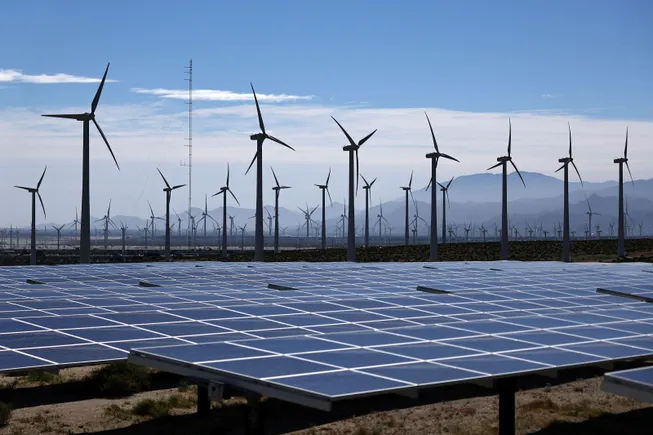
What the Western REC registry shake-up means for corporate clean energy
The recent restructuring of the Western Renewable Energy Credit (REC) registry is poised to enhance transparency and streamline the trading of renewable energy credits, potentially increasing corporate participation in clean energy procurement. Companies will need to adapt to new compliance requirements and reporting standards, which may impact their renewable energy strategies and procurement timelines. This shift could also influence market dynamics by driving up demand for RECs as firms seek to meet sustainability goals amid evolving regulatory frameworks.
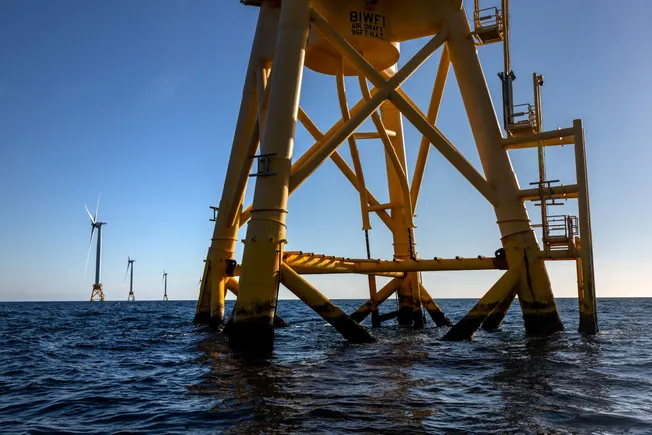
Trump administration halts all large-scale offshore wind projects under construction in US
The Trump administration's decision to halt all large-scale offshore wind projects under construction in the U.S. significantly impacts the renewable energy sector, potentially delaying project timelines and investment returns. This policy shift raises compliance challenges for developers and may hinder progress toward meeting renewable energy targets, affecting overall energy security and market competitiveness. Stakeholders must reassess project viability and navigate the regulatory landscape amid this uncertainty.
NIST adds to AI security guidance with cybersecurity framework profile
The National Institute of Standards and Technology (NIST) has expanded its cybersecurity framework to include guidelines specifically addressing the security of artificial intelligence (AI) systems in critical infrastructure. Energy sector stakeholders must align their AI implementations with these updated guidelines to enhance cybersecurity resilience, potentially impacting compliance strategies and operational protocols. This development underscores the growing importance of integrating robust cybersecurity measures to safeguard grid reliability and energy security amidst increasing digitalization.

It's been another banner year for Today in Energy!
The EIA's "Today in Energy" series highlights significant trends in energy production and consumption, emphasizing the ongoing transition towards renewable energy sources. This shift may influence compliance requirements for emissions reductions and renewable portfolio standards, impacting market dynamics as states and utilities adapt to evolving regulatory frameworks. Enhanced data transparency from the EIA can aid energy companies in strategic planning and aligning with federal and state energy policies.

Can US trade policy deliver a domestic battery supply chain?
The U.S. trade policy is shifting to promote the development of a domestic battery supply chain, aiming to reduce reliance on foreign sources and enhance energy security. Compliance with new tariffs and incentives will be crucial for manufacturers seeking to benefit from federal support, particularly as the administration emphasizes clean energy technologies. This initiative could significantly impact market dynamics, driving investment in local production capabilities and potentially stabilizing supply chains for energy storage solutions.
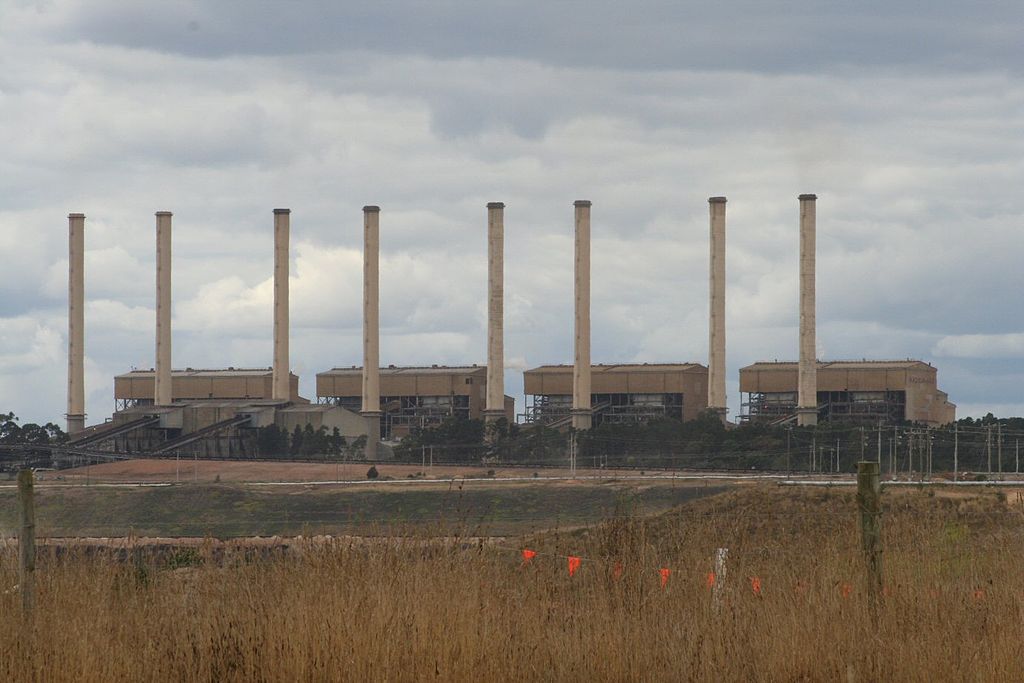
Australian utility Flow Power closes financing on its first BESS project, in Victoria’s Latrobe Valley
Flow Power has secured financing for its first Battery Energy Storage System (BESS) project in Victoria's Latrobe Valley, signaling a significant investment in energy storage infrastructure. This development aligns with Australia's increasing focus on renewable energy integration and may influence U.S. market dynamics as domestic utilities consider similar storage solutions to enhance grid reliability and comply with evolving regulatory frameworks. The project could also set a precedent for financing models in energy storage, impacting future investments in the U.S. energy sector.